Burlington Sewer Pros
CIPP Pipe Lining in Burlington, KY
CIPP pipe lining in Burlington, KY and Boone County. Cured-in-place resin liners for cracked clay and cast iron sewer laterals. Free estimates.
- 15+ Years local experience
- 500+ Projects completed
- Licensed & Insured
Serving Burlington and nearby communities.
CIPP, cured-in-place pipe, works by installing a resin-saturated liner inside the existing pipe and curing it into a new, smooth-walled pipe within the old one. No trench, no torn-up yard, just a liner pulled or inverted into place and hardened.
Burlington Sewer Pros uses CIPP most often on Boone County's older clay and cast iron laterals, the kind of pipe common on established lots around Burlington where the original line is cracked, root-intruded, or corroded but still structurally in one piece. The liner seals out root entry points and restores flow without digging up the yard.
What's included
What's Included with CIPP Pipe Lining
Typically included: camera inspection, pipe cleaning, liner measurement and saturation, insertion and cure, final camera verification.
Optional: root clearing before lining if intrusion is present, extended liner warranty.
Customer prep: clear access to the cleanout and keep the work area free of parked vehicles during the visit.
Want a clearer scope?
Get a Free EstimateHow it works
How Our CIPP Pipe Lining Process Works
 Step 1
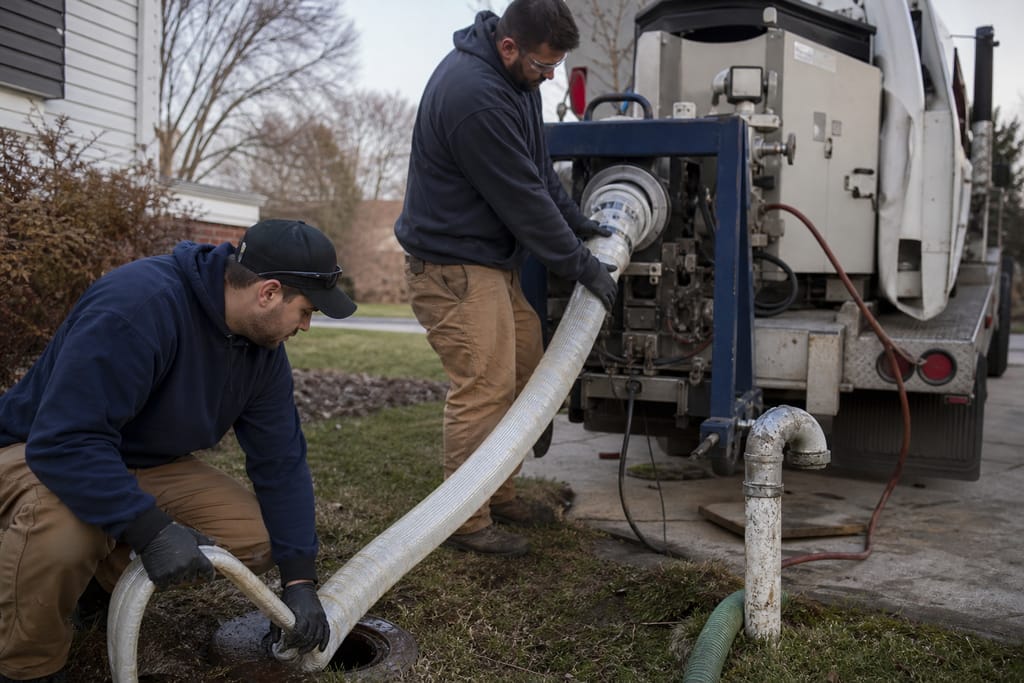
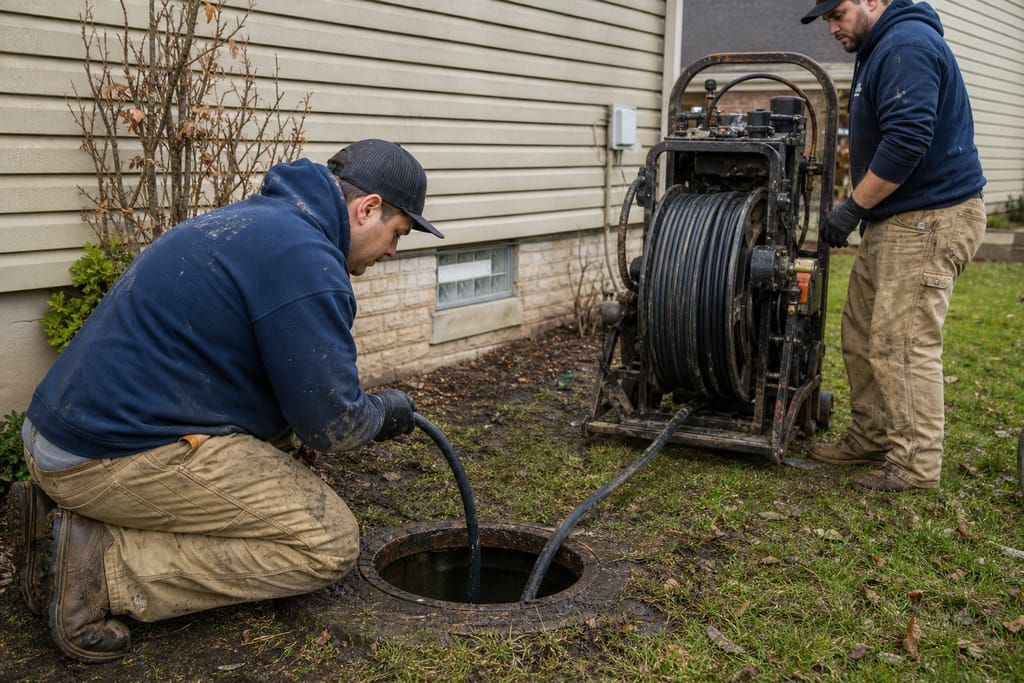
Pipe Cleaning
The existing pipe is thoroughly cleaned to remove debris and prepare the surface for lining.
 Step 2
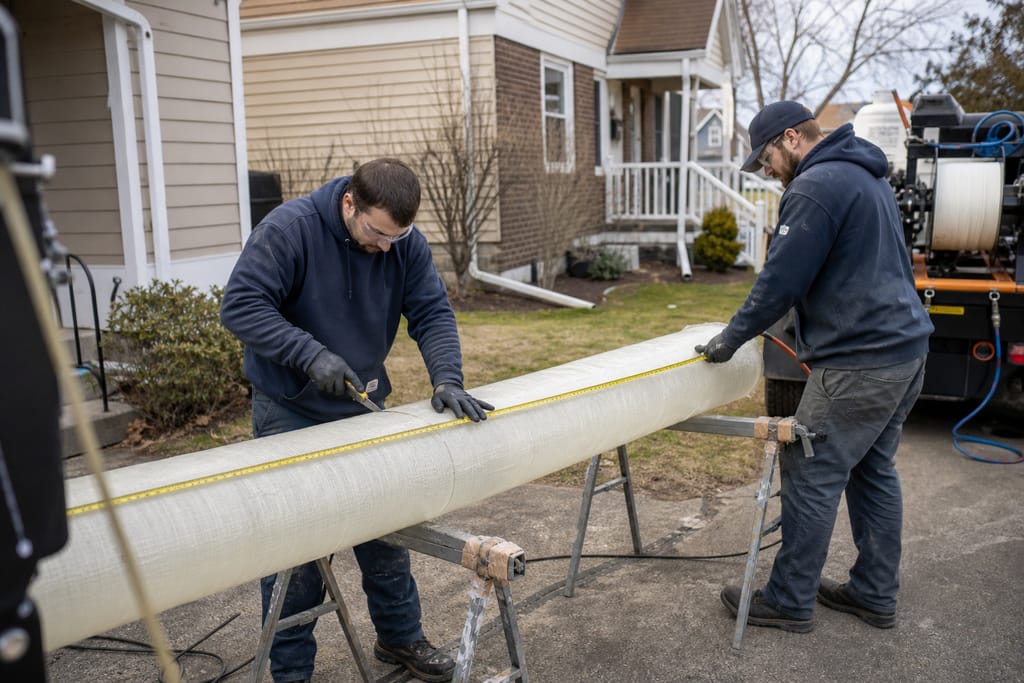
Liner Measurement
Precise measurements ensure the liner fits the exact length and diameter of the pipe.
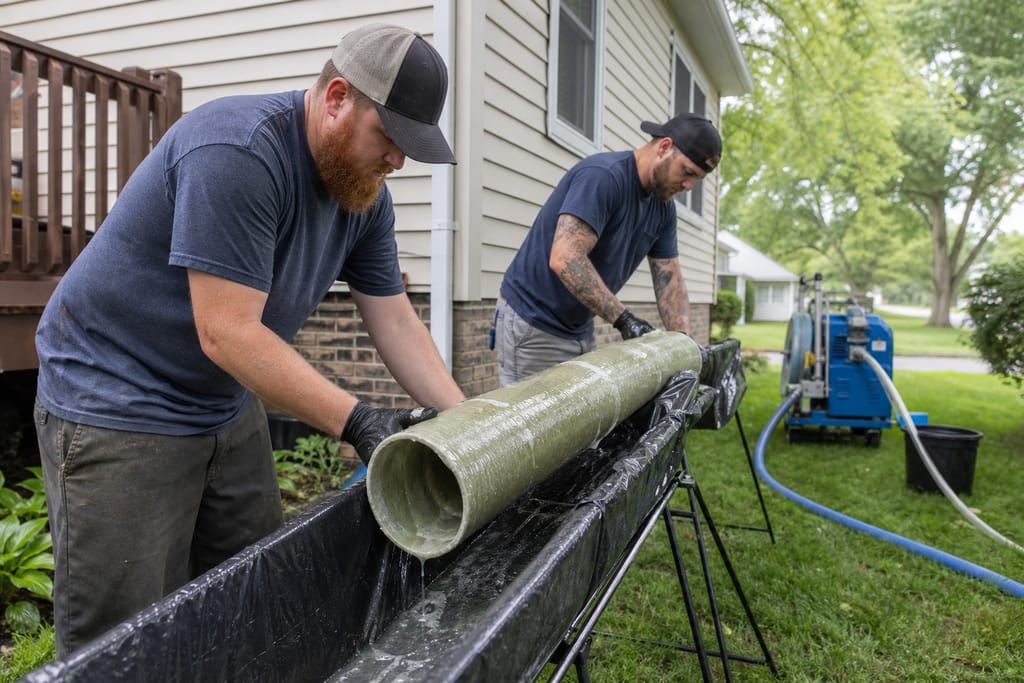 Step 3
Resin Saturation
The liner is saturated with resin to prepare it for insertion and curing.
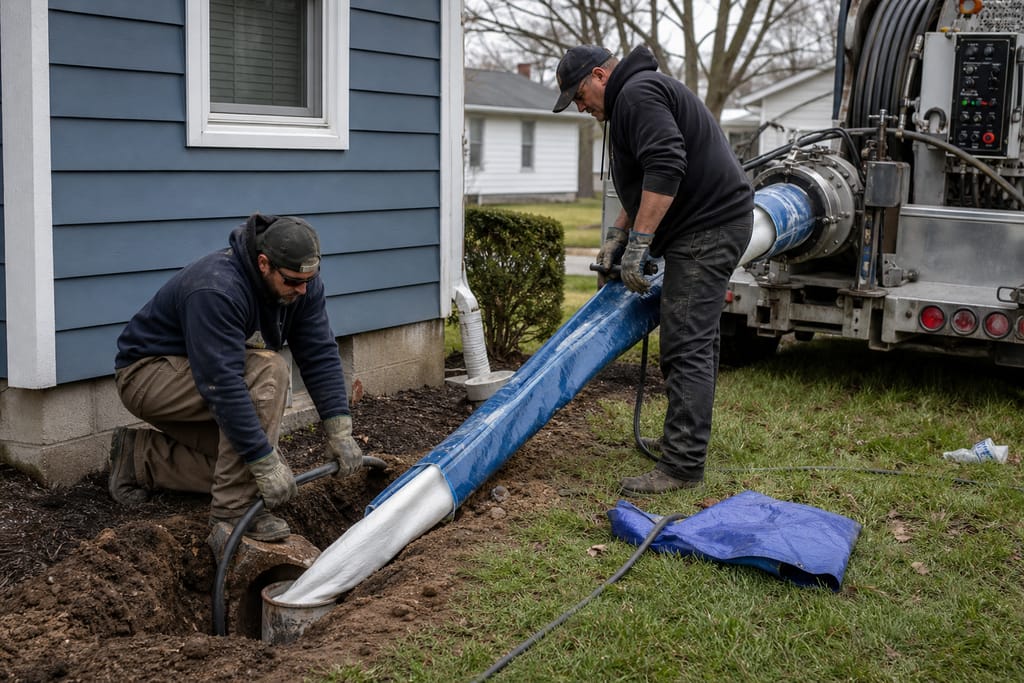 Step 4
Liner Insertion
The saturated liner is inserted into the host pipe using air or water pressure.
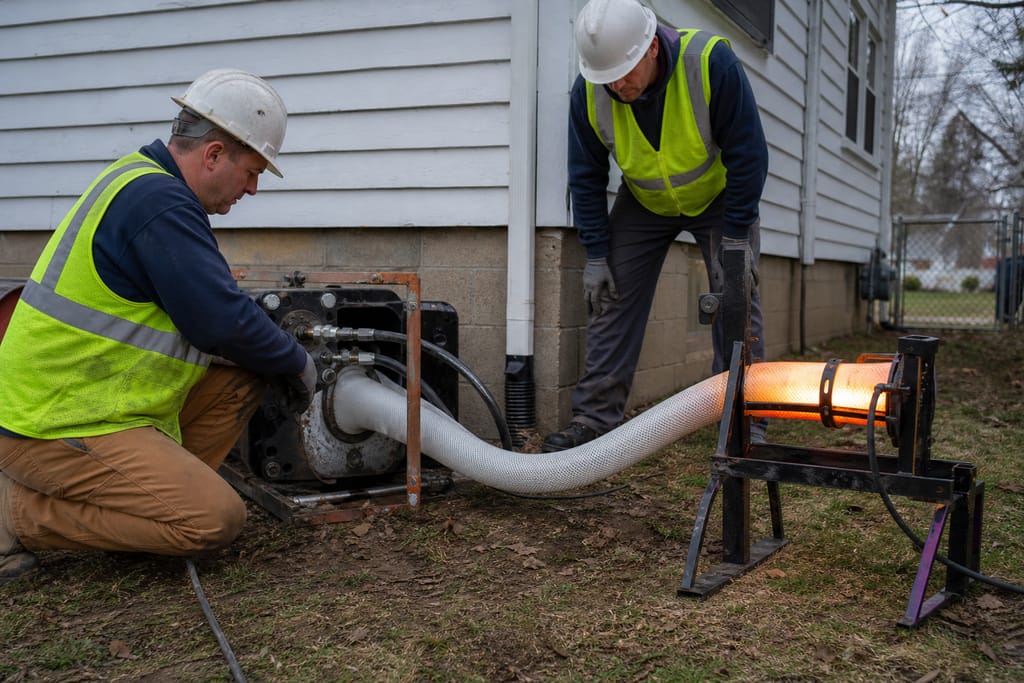 Step 5
Curing Process
Heat, UV light, or ambient curing hardens the liner into a solid new pipe wall.
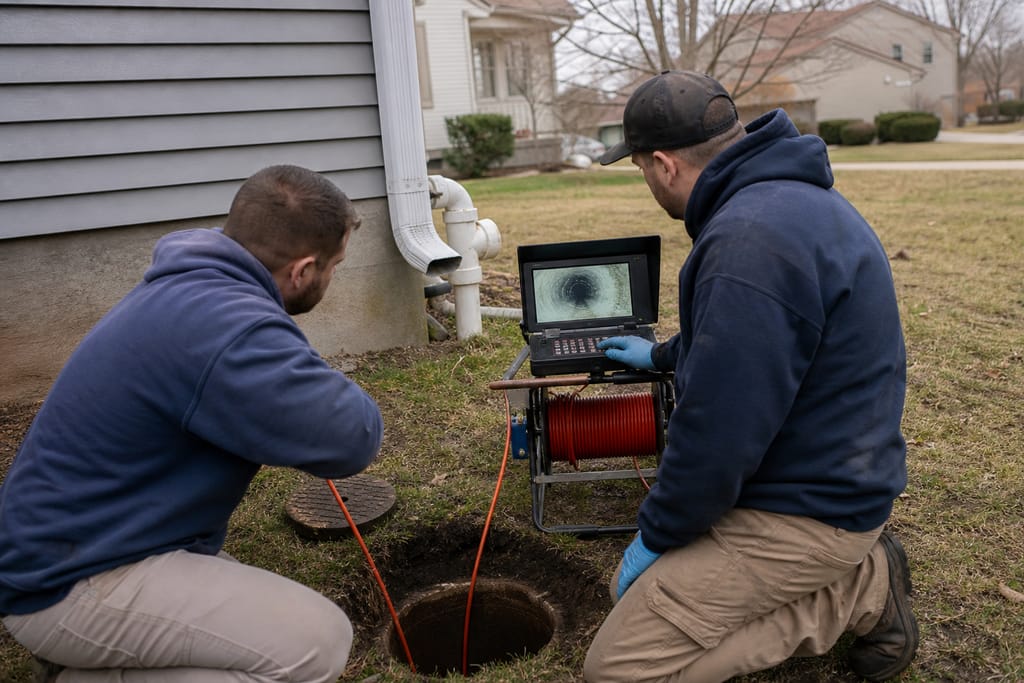 Step 6
Final Inspection
A camera inspection confirms the cured liner is smooth and properly bonded.
Materials
Materials and Methods for CIPP Pipe Lining
CIPP lining depends on getting the liner and resin matched to the host pipe's material and condition.
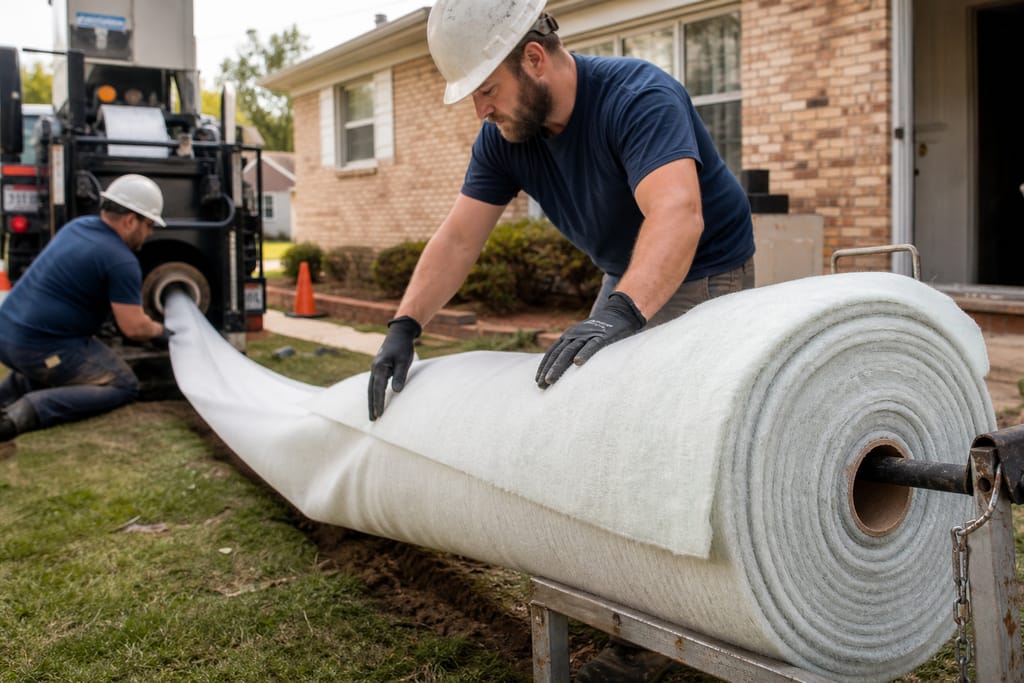
Felt Liner Tubes
Felt-based tubes serve as the structural base for the resin-saturated lining material, flexible enough to fit older clay bends.
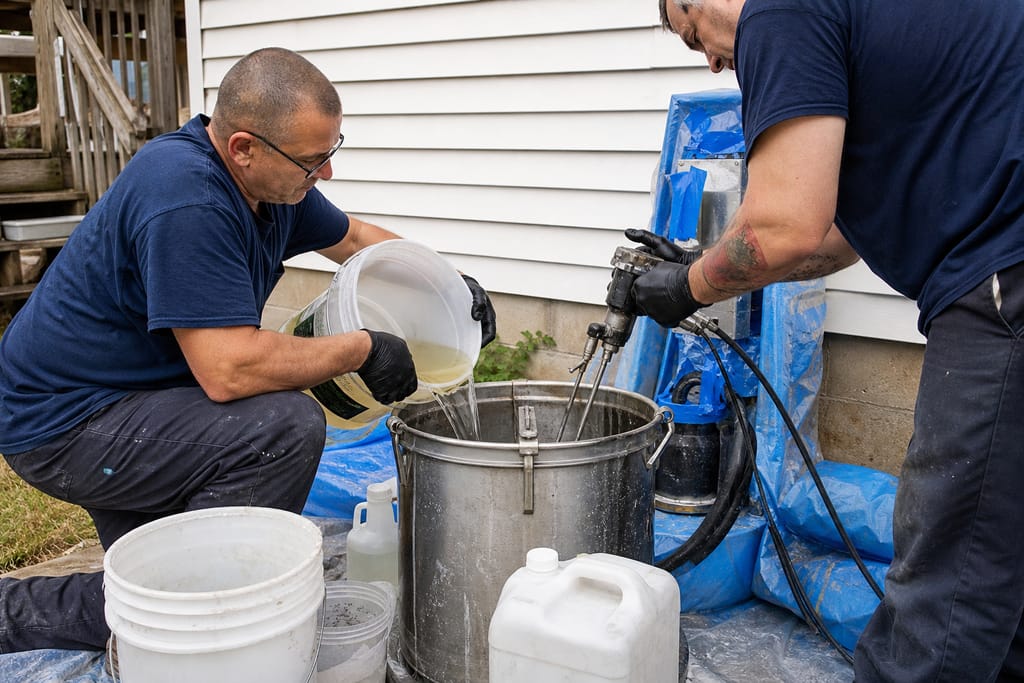
Epoxy Resin Blends
Specially formulated resin blends provide strength and chemical resistance once cured, holding up against root chemistry in Boone County soil.
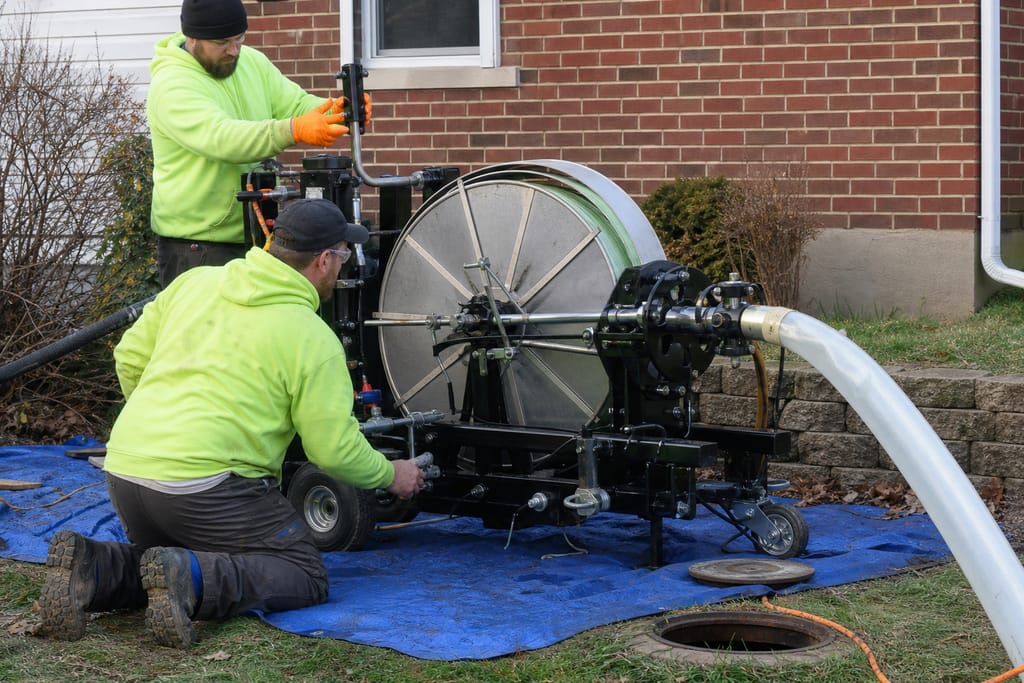
Inversion Equipment
Inversion drums turn the liner inside out as it's installed, pressing it fully against the host pipe wall.
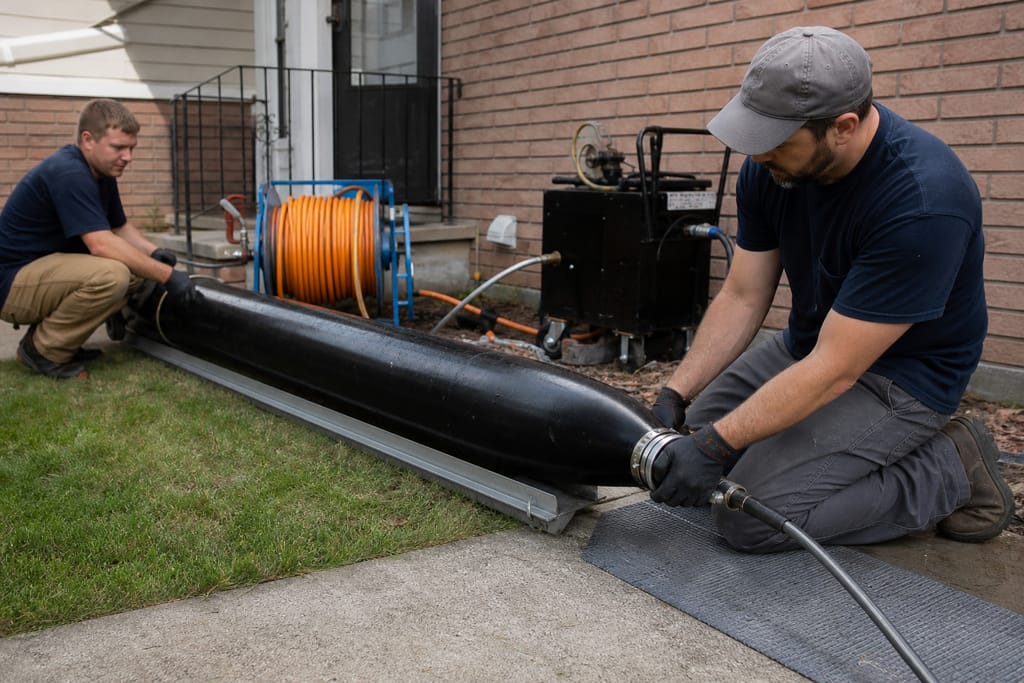
Calibration Tubes
Calibration tubes press the liner firmly against pipe walls during curing for a tight, even bond.
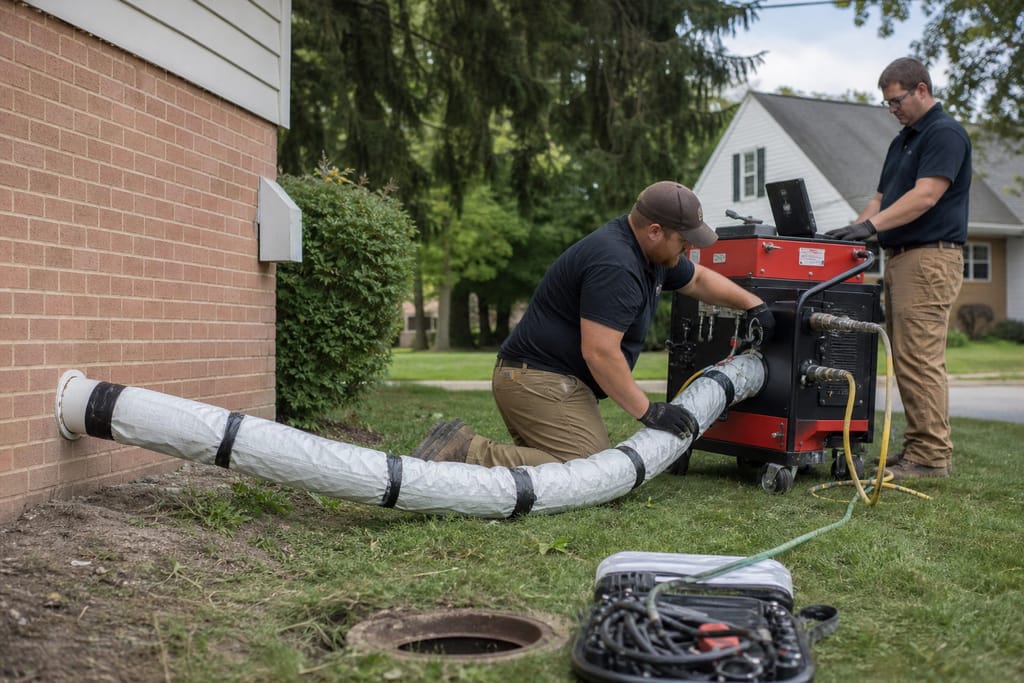
Heat Curing Units
Heat sources accelerate resin curing, shortening the time a line is out of service.
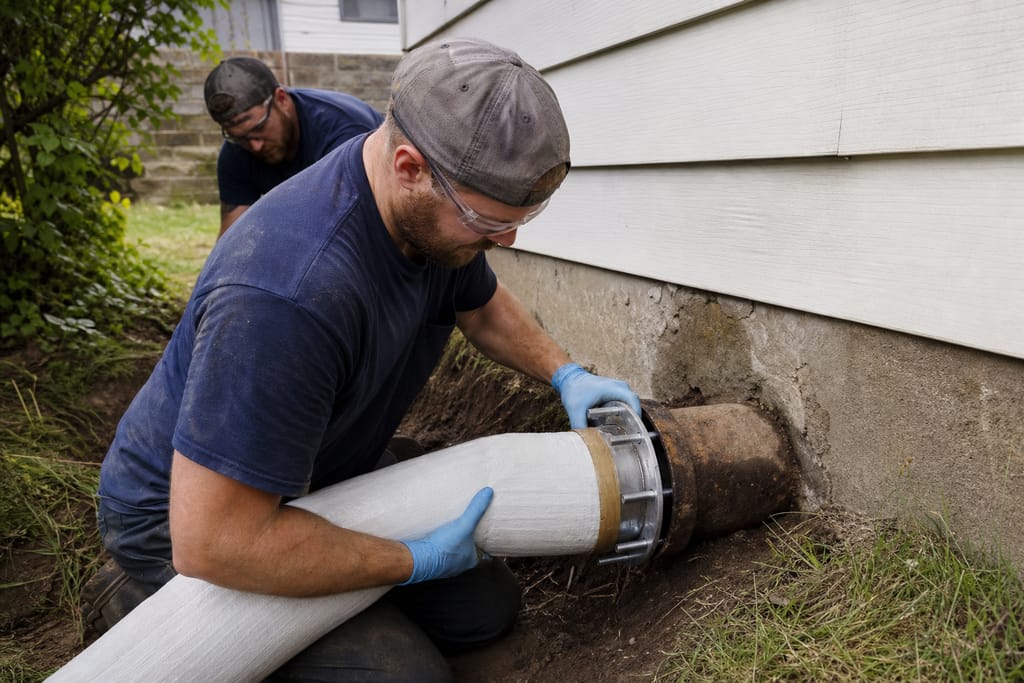
End Seal Fittings
Finishing fittings create a clean, watertight transition where the liner meets the existing pipe or fixtures.
Questions on materials?
Get a Free EstimateWhen to call
When to Call for CIPP Pipe Lining
Call Burlington Sewer Pros if any of these match what you're seeing.
- Recurring slow drains without a full blockage, often a sign of a cracked but intact pipe.
- Root intrusion that keeps coming back after mechanical clearing.
- A camera inspection already showed cracks or joint separation but no collapse.
Seeing warning signs?
Get a Free EstimateBefore & after
Before and After CIPP Pipe Lining
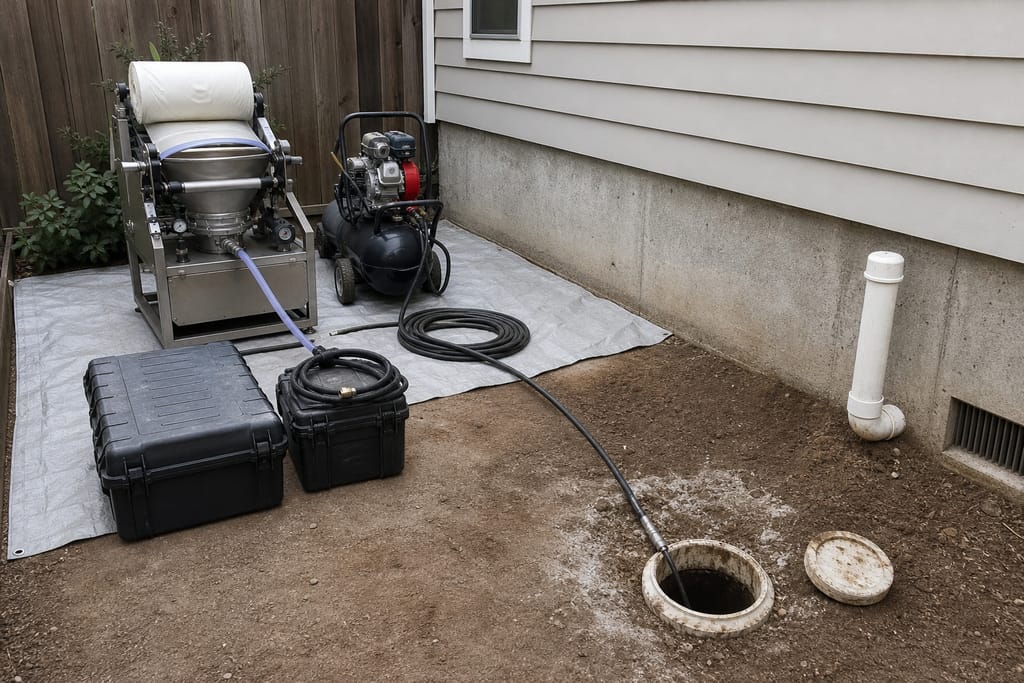
Before 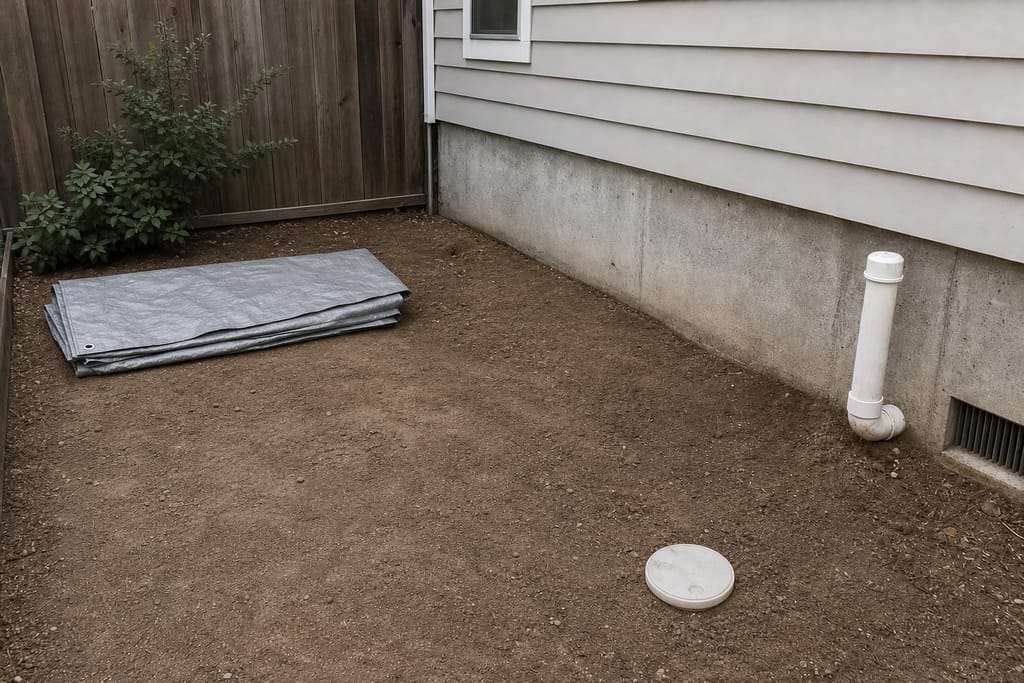
After
FAQs
CIPP Pipe Lining FAQs
Will tree roots come back after CIPP lining?
A properly cured liner seals the joints and cracks roots were using to get in, which cuts off most future intrusion. Roots can still press on the outside of the pipe, but they can't re-enter through a sealed, lined interior the way they did before.
How long does CIPP lining last before I have to redo it?
A cured liner is built to function as a new pipe within the old one, with a service life measured in decades rather than years, assuming it's installed correctly on a pipe in suitable condition.
Is CIPP lining worth the extra cost over digging up the line?
For pipe that's cracked but not collapsed, lining usually avoids landscaping repair, driveway cuts, and a longer job timeline, which often offsets the per-foot cost difference versus open-dig.
How much does CIPP lining cost in Burlington?
Cost scales with pipe length and diameter. We give a specific range after the camera inspection confirms the run length and condition.
Do I need a permit for CIPP lining?
Interior lining with no excavation usually doesn't need a permit. If access pits are required to reach the line, check with Boone County beforehand.
Is DIY CIPP lining possible?
No. Saturating, inverting, and curing a resin liner requires pressure equipment and curing control that aren't available as rental tools. This is licensed-contractor work.
Next step
Get a CIPP Pipe Lining Estimate in Burlington
Call Burlington Sewer Pros at (859) 534-9346 for a free CIPP lining estimate, or request one online after your camera inspection.
More services
Other Trenchless Sewer Repair services
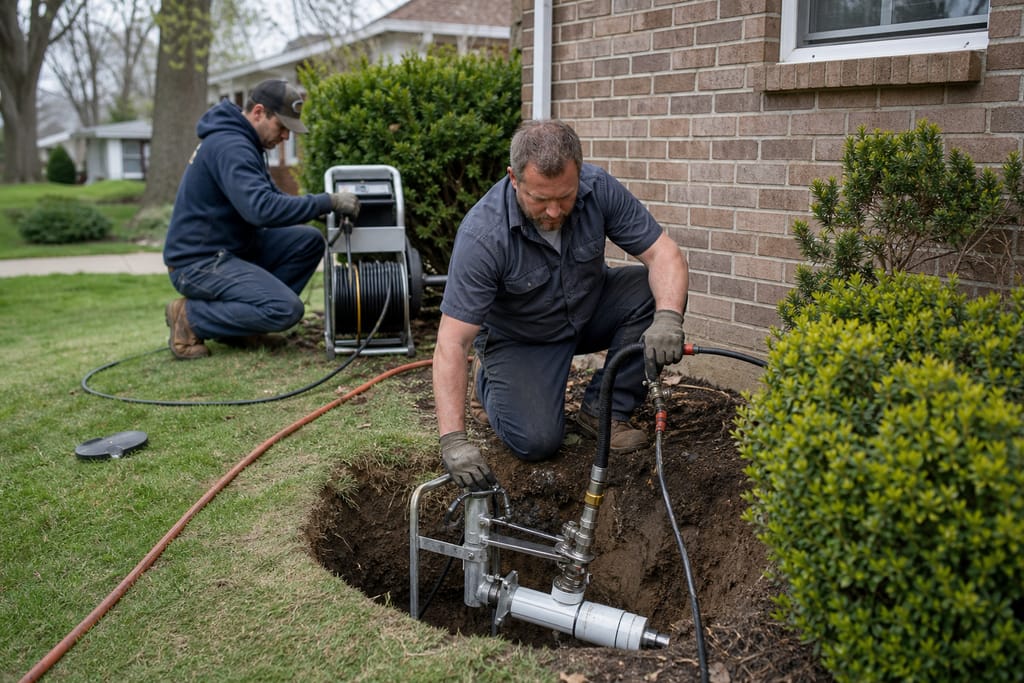
Trenchless Sewer Repair
Trenchless sewer repair in Burlington, KY using CIPP lining and pipe bursting. No-dig methods, camera-verified. Free estimates available.
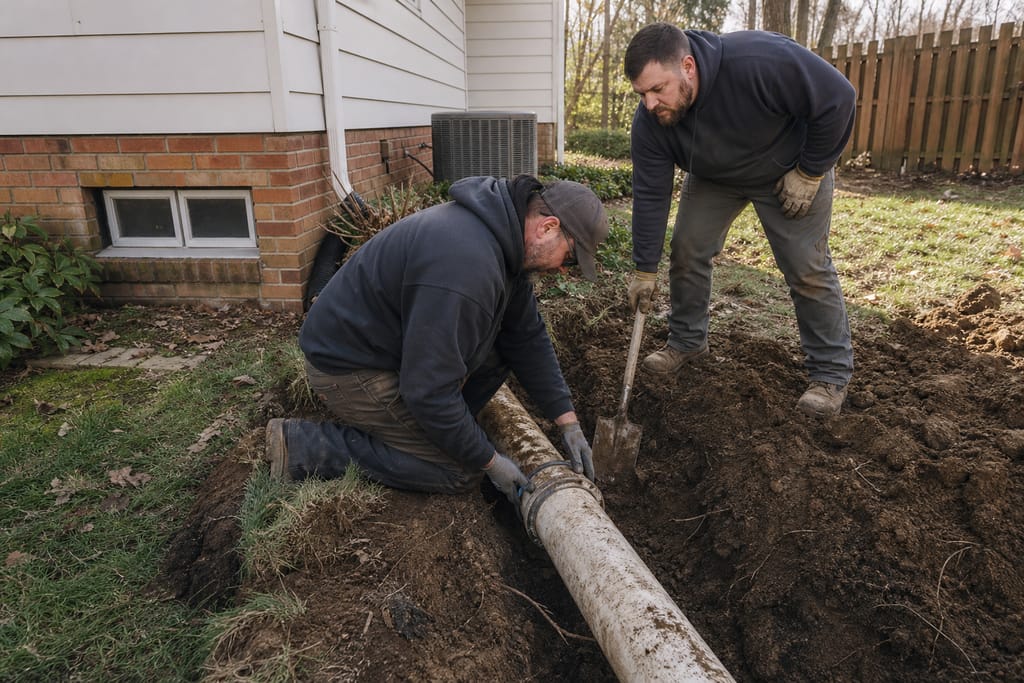
Sewer Line Repair
Sewer line repair in Burlington, KY for spot damage and joint leaks. Camera-verified repairs, written estimates, free quotes.
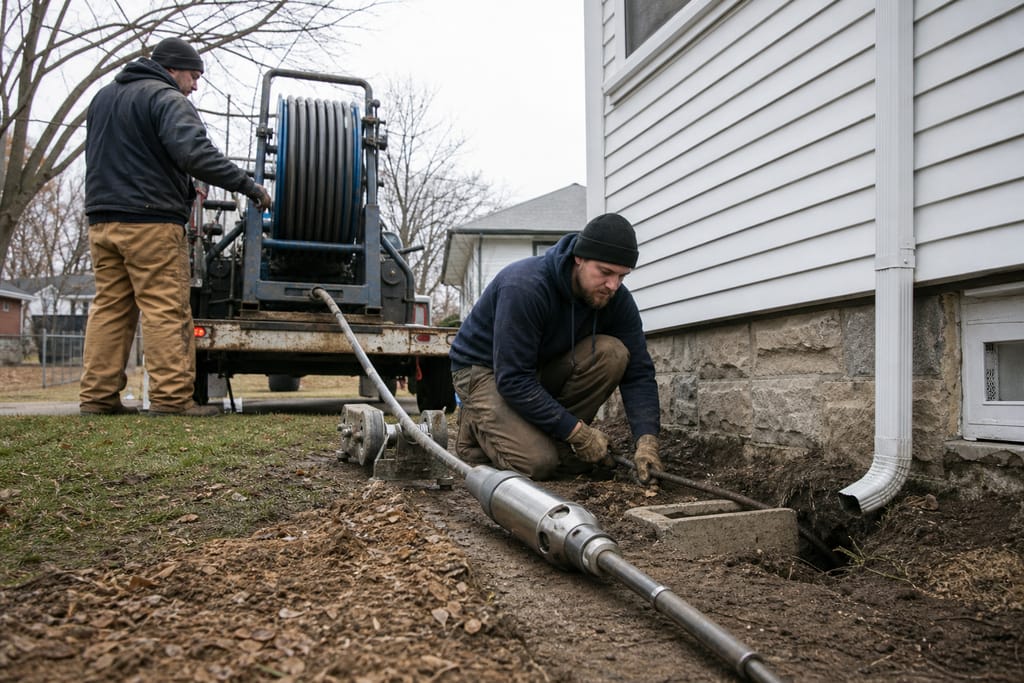
Pipe Bursting
Pipe bursting sewer repair in Burlington, KY for collapsed or undersized lines. HDPE pipe pulled through with two small access pits. Free estimates.
Ask about CIPP Pipe Lining
Tell us about the project and how to reach you.